
Solution 04 · Defence
Experience thatmoves forward.
We support veteran transition and in-service upskilling — connecting the experience people already have with what civilian roles require.
- Veterans · Serving personnel
- For
- Map existing experience
- Approach
- Civilian career readiness
- Leads to
What we cover
How we approach it
What sits behindthe programme.
- 01
The experience is already there
Veterans arrive with discipline, leadership, responsibility under pressure and deep role-specific strength. What a transition programme has to do is translate — into civilian job requirements, workplace language and the few genuinely new skills the target role needs.
That is a much shorter distance than most people assume. It just has to be mapped.
- 02
For defence and institutional partners
We work with defence establishments, institutional partners and employers on programmes designed around the transition, reskilling or workforce requirement identified at the start of the engagement.
Built for
Defence establishmentsPublic sector HR teamsInstitutional partnersVeterans preparing for their next career stepEmployer linkage and placement support are agreed with each partner as part of the programme scope.
A practical transition route
Four steps fromservice to civilian work.
Understand
Start with the experience and skills already held.
Target
Identify the civilian role being moved toward.
Map
Find the gaps between the two, precisely.
Close
Focus learning only on the capabilities that matter, then support the move into employment.
In action
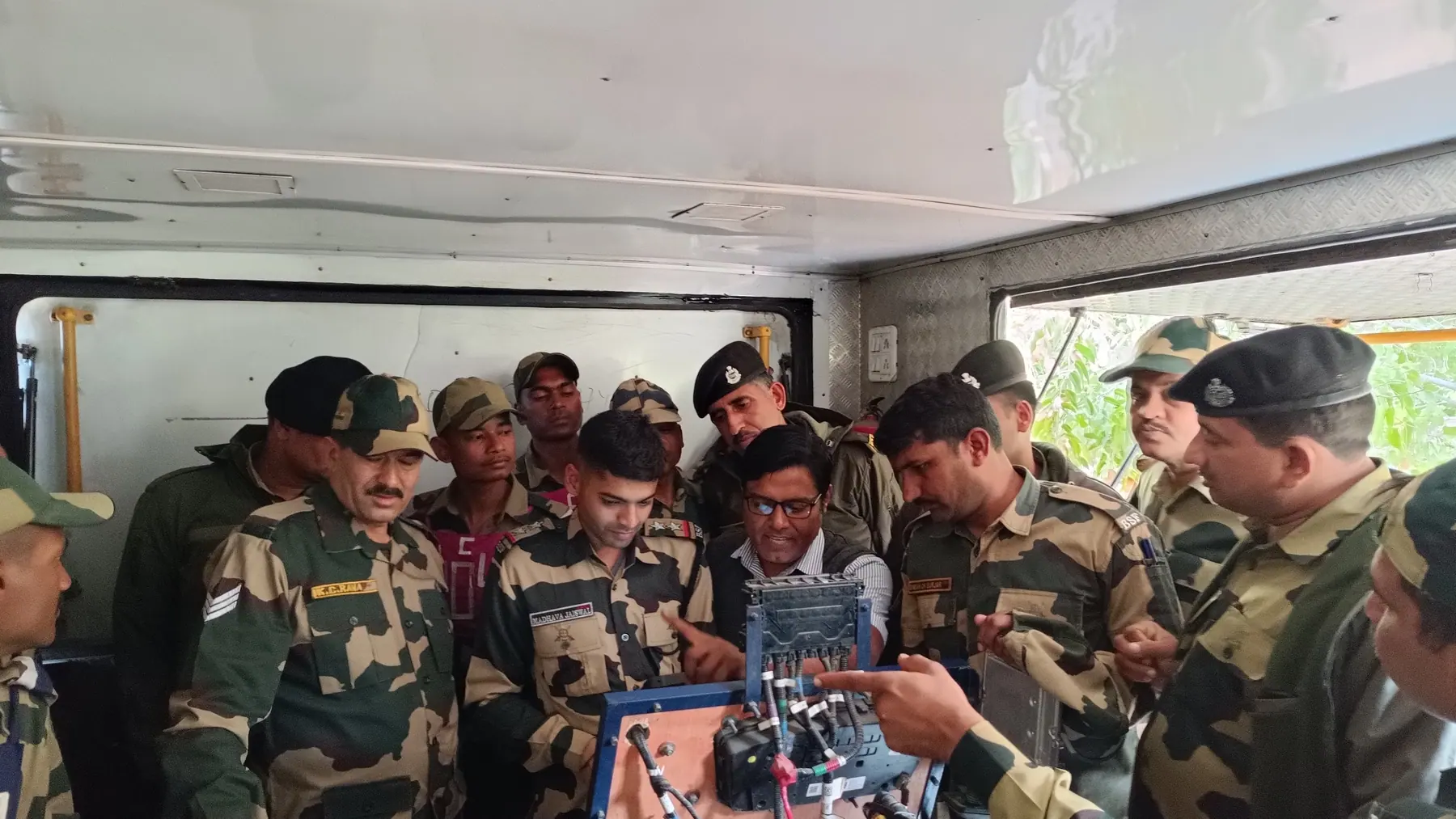
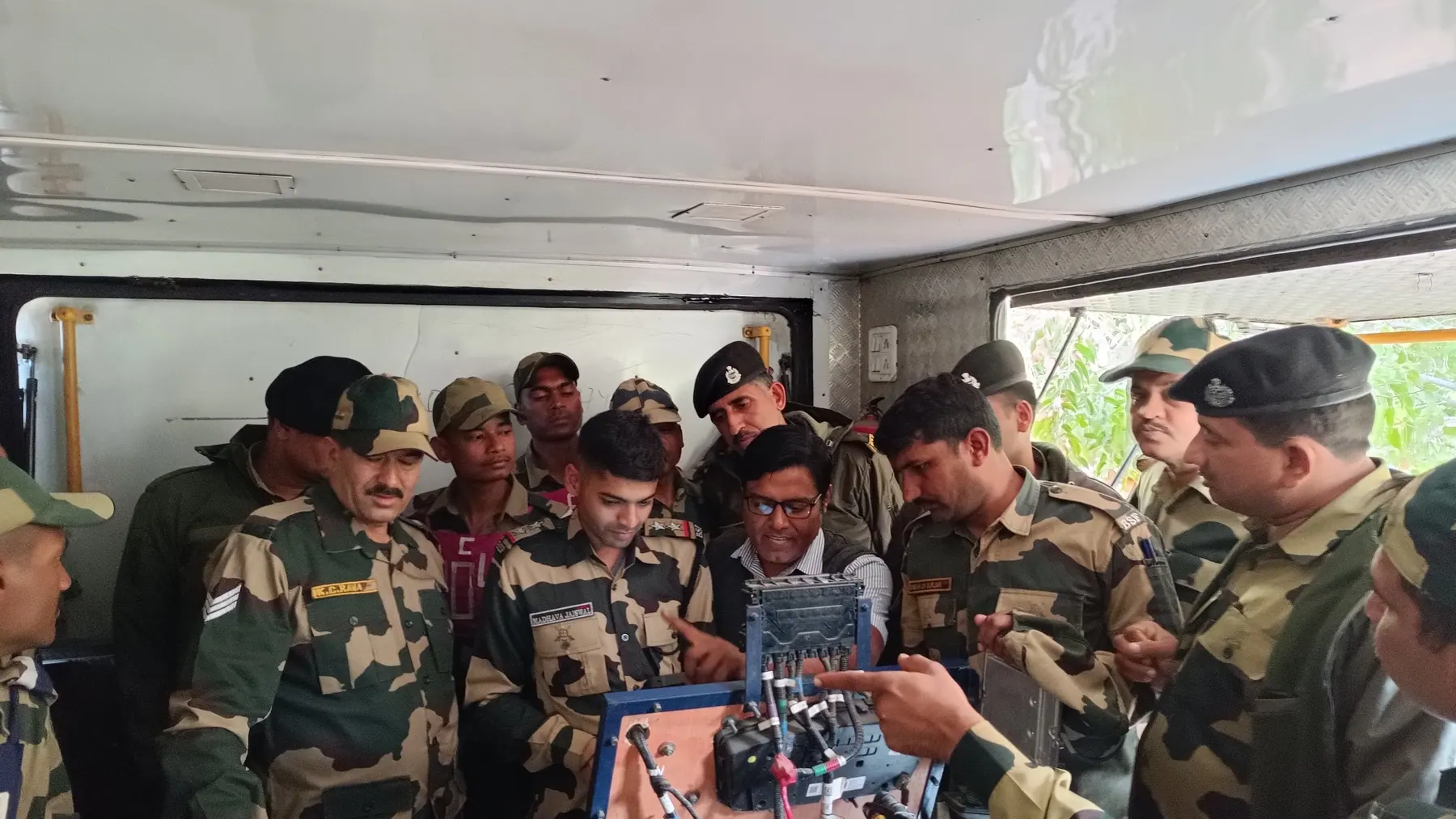
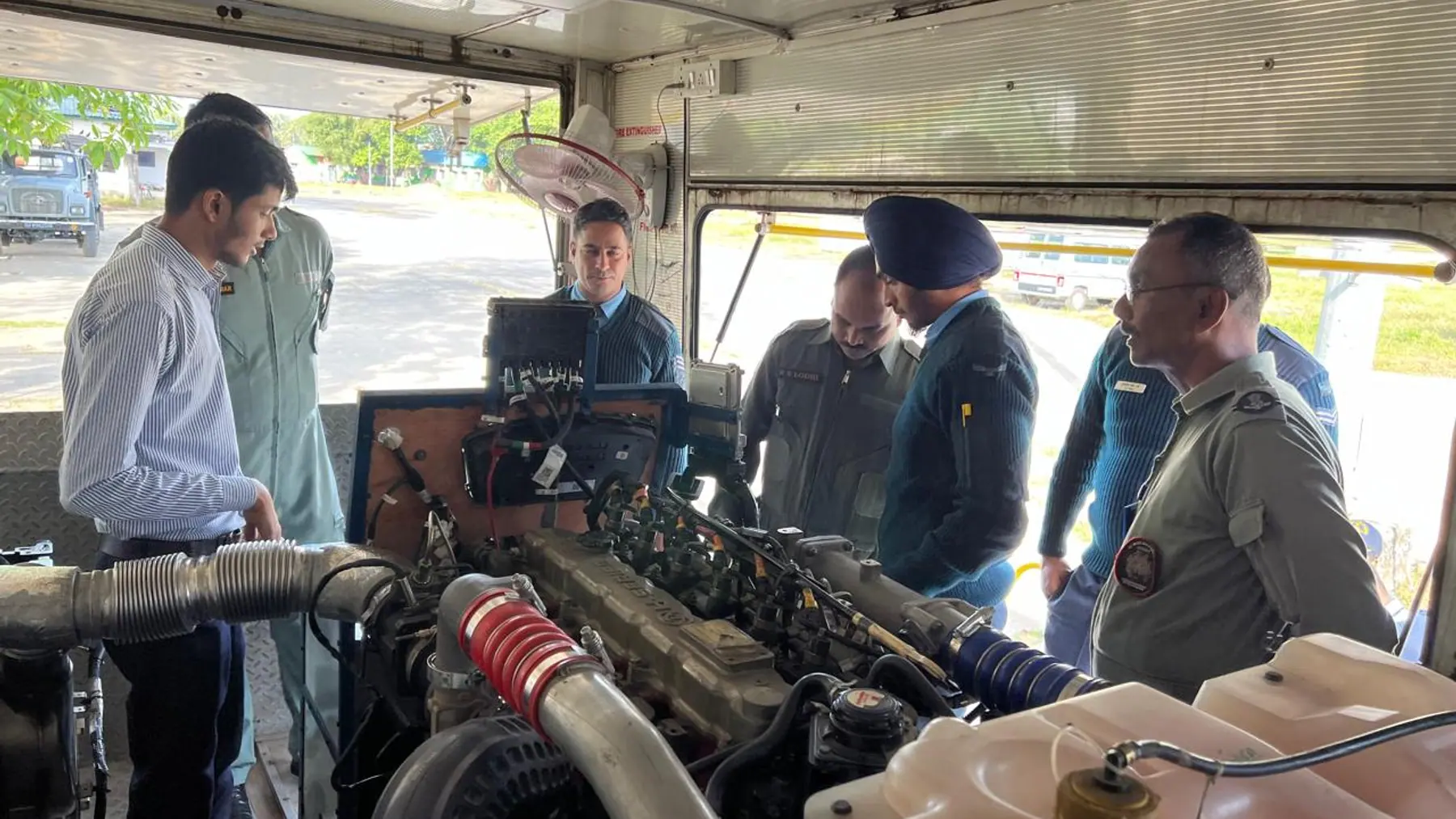
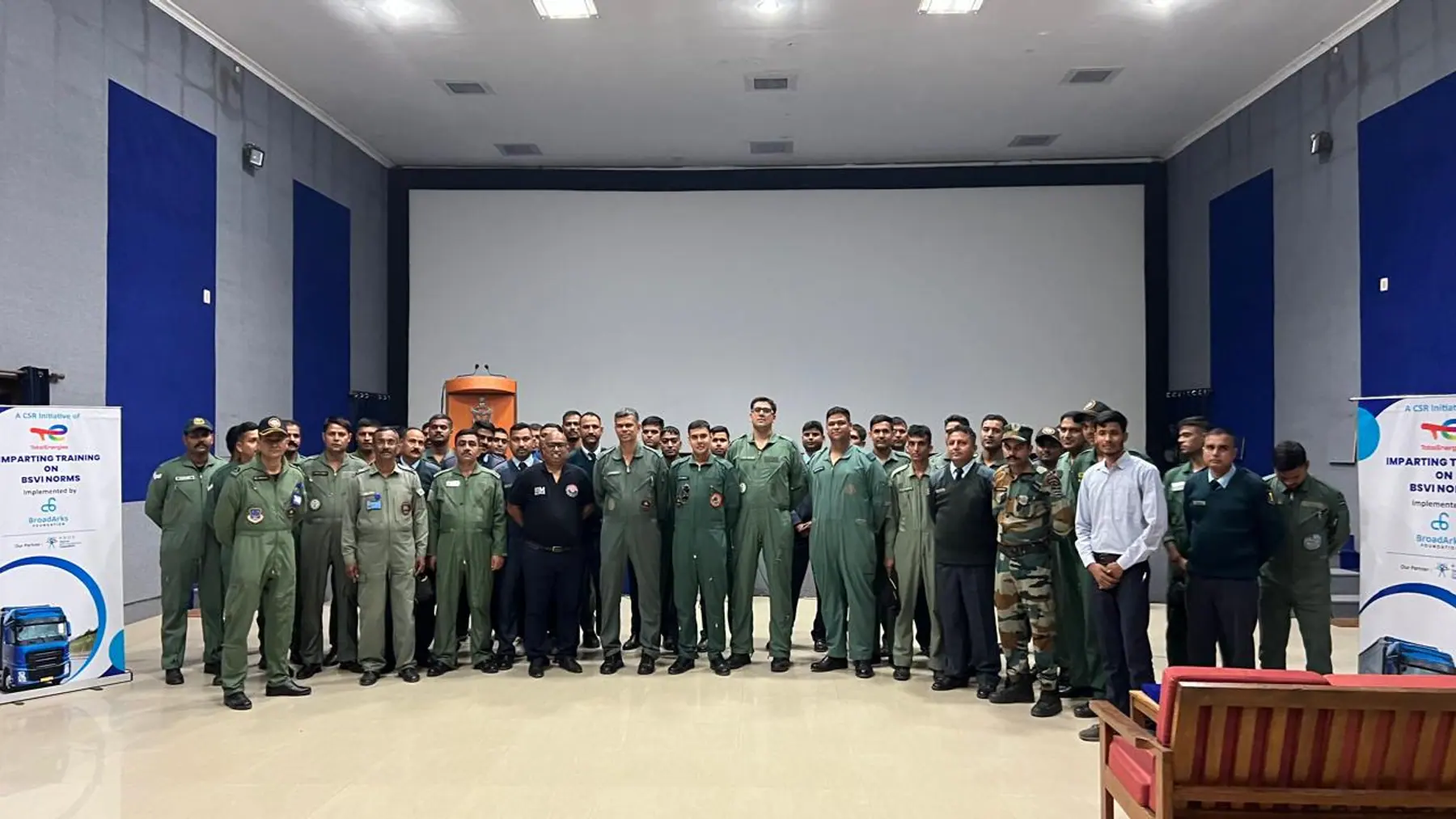
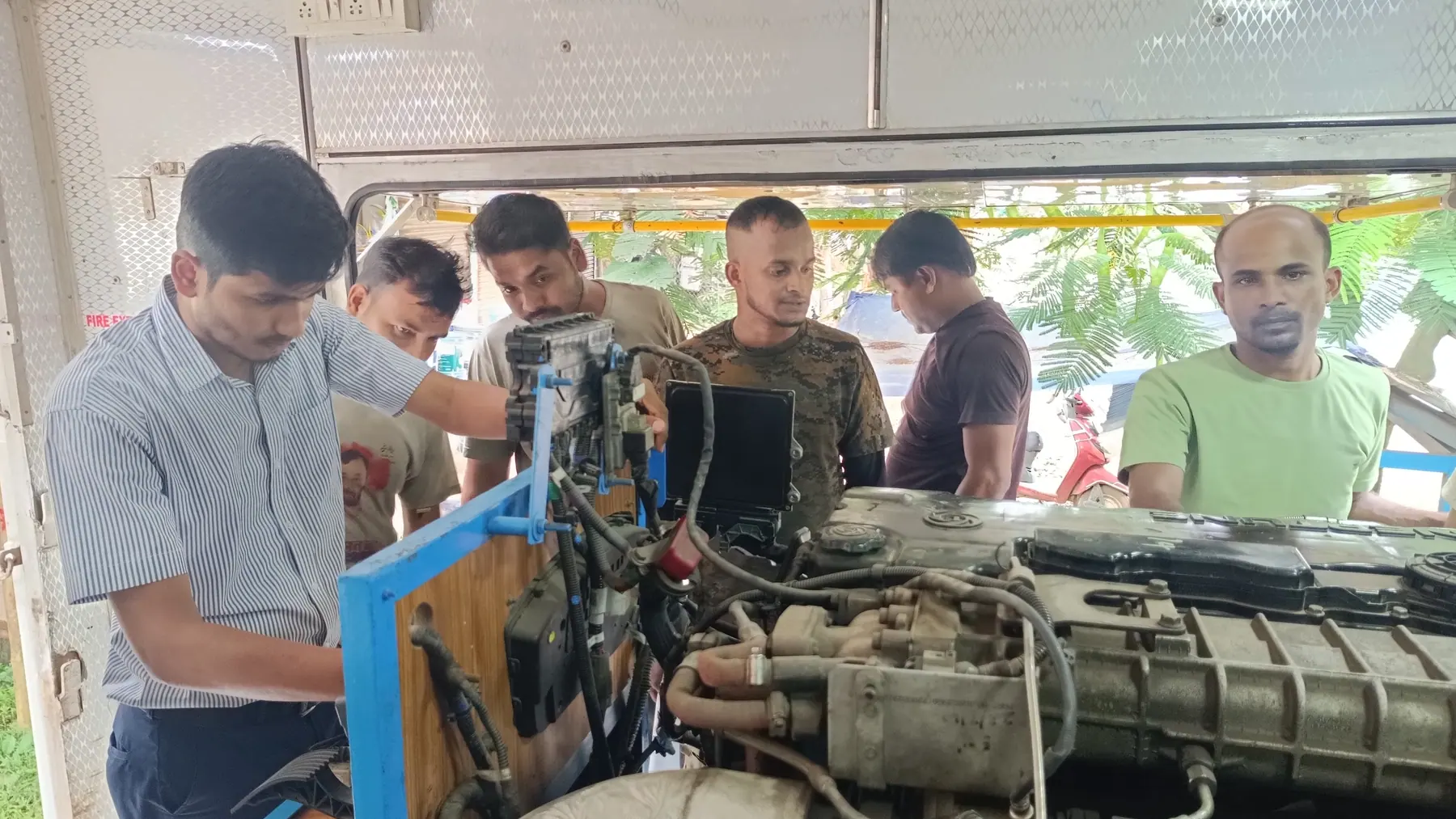
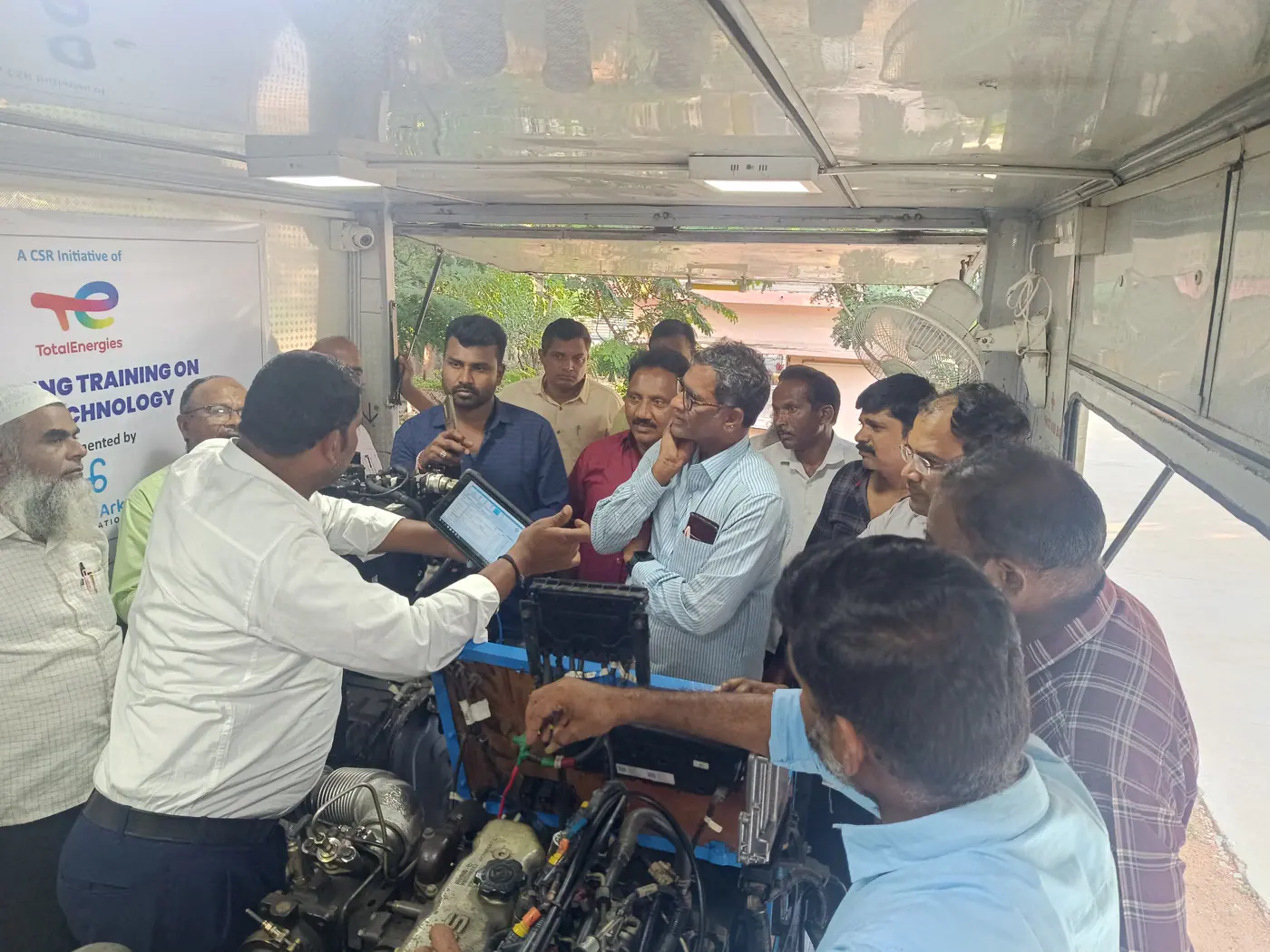
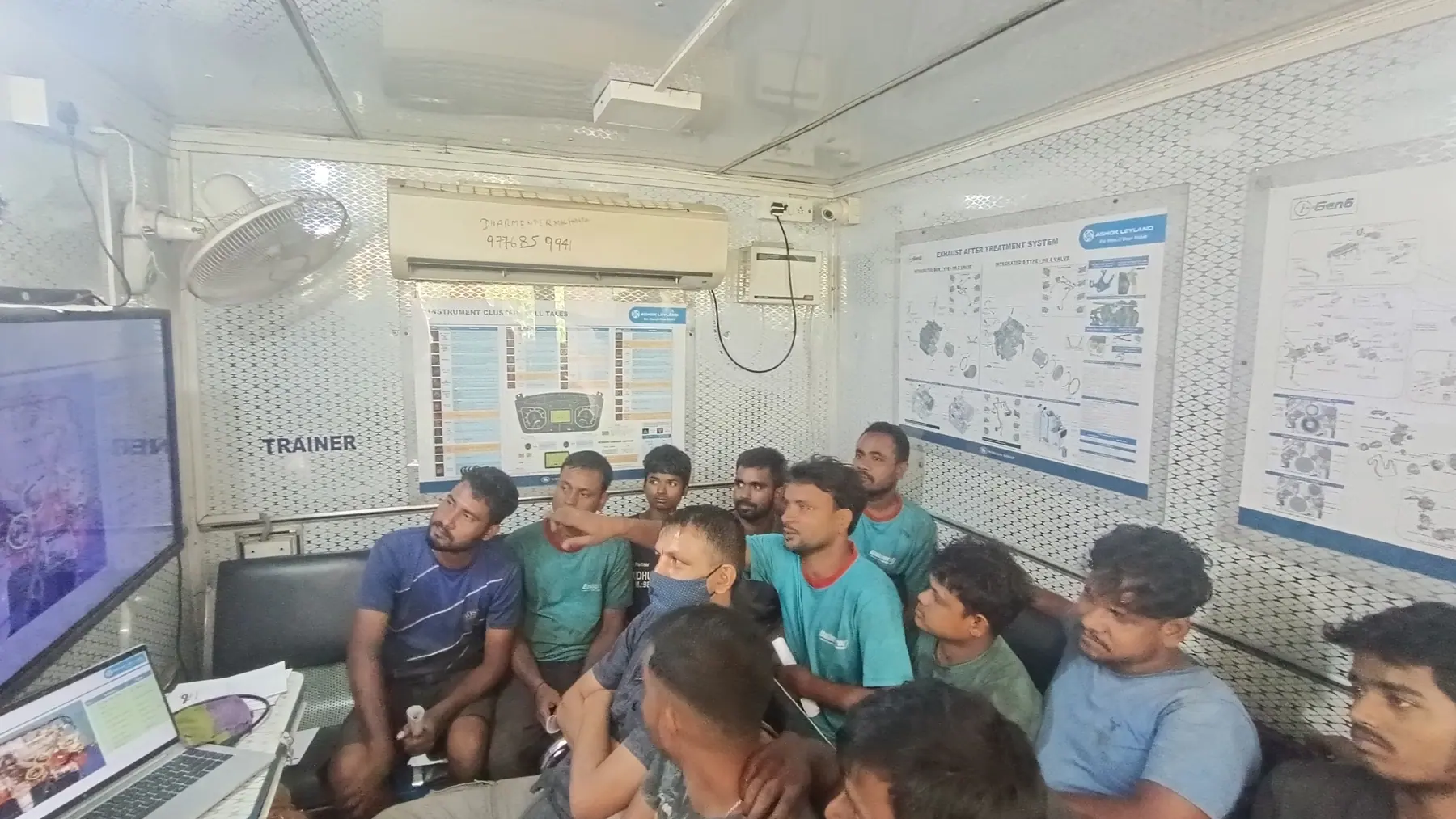
Photographed onlive programmes.
Delivered
Recent programmesin this area.
2023–24
Defence personnel technical resettlement
TotalEnergies · Assam · Punjab
- Vehicle maintenance
- RPL certification
Next step
Start a defence programme conversation
Tell us the cohort, the timeline and the roles they are moving toward.
Next solution · 05
School Solutions
Vocational and applied skills that prepare students for work, not just for exams.
Explore school solutions